Why Young Men (20–35) Are Turning to Hair Systems in 2026
Why Young Men (20–35) Are Turning to Hair Systems in 2026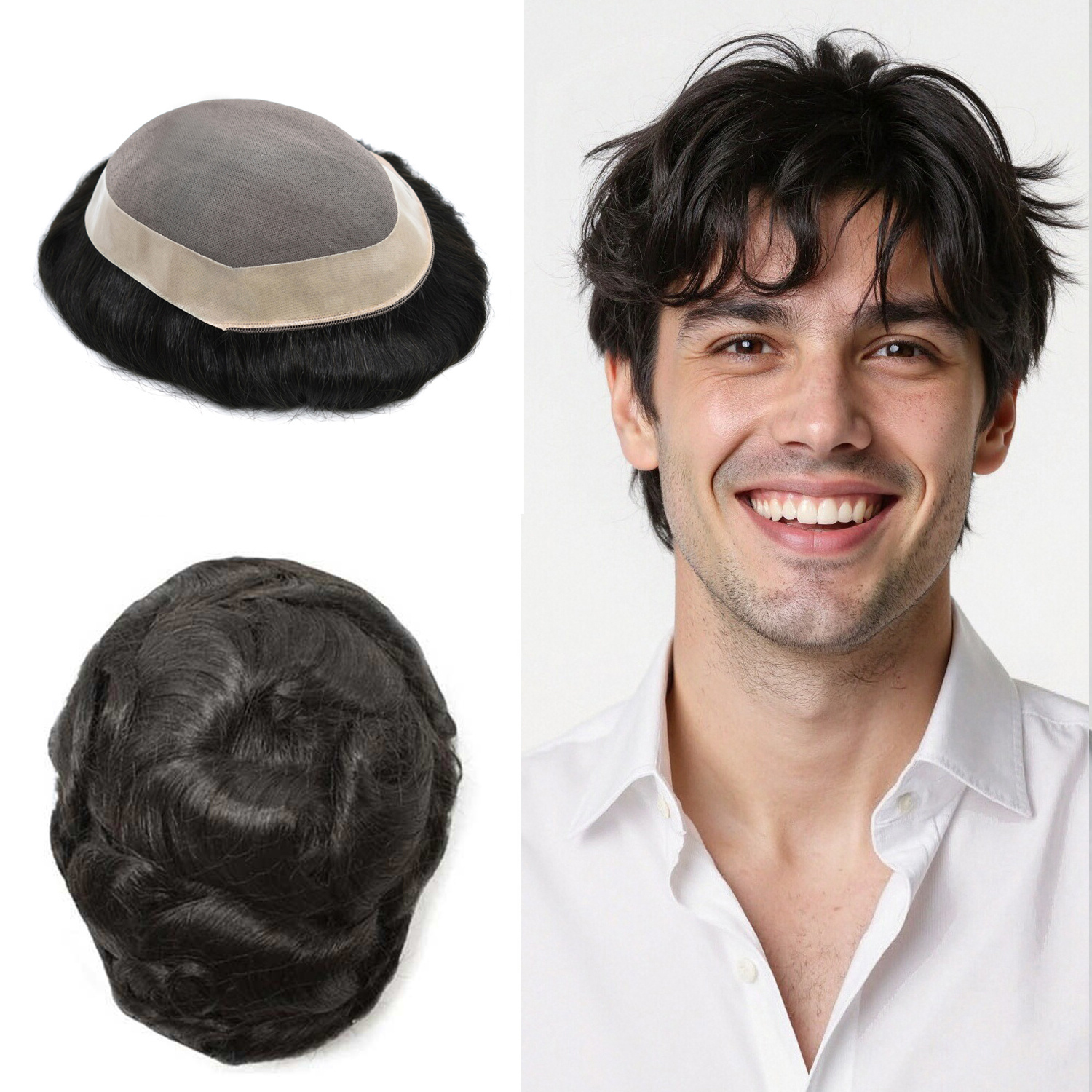
The Shifting Landscape of Male Grooming
In 2026, the conversation around male aesthetics has evolved beyond traditional norms. Young men between 20 and 35 are increasingly embracing hair systems as a viable solution to hair thinning and loss. This shift reflects broader cultural changes, where personal presentation intersects with technology, self-expression, and mental well-being.
Beyond Vanity: A Response to Modern Pressures
The pressures facing young men today are unprecedented. Social media platforms set unrealistic standards, while professional environments often demand polished appearances. For many, hair thinning becomes a visible marker of aging or stress, triggering anxiety that impacts confidence. Hair systems offer a proactive way to align one's external image with internal aspirations, without invasive procedures or prolonged downtime.
Technological Advancements Driving Accessibility
Modern hair systems are barely recognizable from their predecessors. Lightweight, breathable materials mimic natural hair growth, while advanced adhesives ensure secure yet comfortable wear. Customization options allow for precise matches in texture, color, and density, creating a seamless integration with existing hair. These innovations have reduced the stigma associated with hair replacement, positioning it as a smart grooming choice rather than a concealment tactic.
Economic and Practical Considerations
The cost of hair restoration surgeries has long been prohibitive for many young men. Hair systems provide a cost-effective alternative with minimal maintenance. Regular salon visits can be replaced by simple at-home care routines, making them accessible to a wider demographic. Additionally, the non-surgical nature eliminates risks associated with anesthesia and recovery, appealing to those prioritizing convenience and safety.
Cultural Influence and Peer Acceptance
Celebrities and influencers openly discuss their use of hair systems, normalizing the practice among younger generations. Peer networks and online communities share tips and experiences, fostering a sense of belonging. This cultural shift has transformed hair systems from a last resort to a mainstream grooming tool, much like skincare or fitness routines.
Mental Health and Self-Perception
Hair loss often correlates with diminished self-esteem, particularly in social and professional settings. By restoring a fuller hairline, men report improved mood, social engagement, and career opportunities.
Future Trends and Personalization
As the demand grows, so does innovation. 3D scanning and AI are being used to create hyper-personalized systems, while sustainable materials address environmental concerns. The market is diversifying to cater to different lifestyles, from sport-friendly designs to formal options, ensuring versatility for every occasion.
A New Chapter in Male Confidence
The decision to adopt a hair system is no longer about hiding imperfections but about taking control of one's narrative. For young men in 2026, it represents a blend of practicality, style, and self-assurance. As societal attitudes continue to evolve, hair systems stand as a testament to the changing relationship between men and their appearance—one that embraces choice, confidence, and authenticity.